



Dynamic Repository of Methodologies, Technologies, Techniques, and Materials (MTTM)
The framework
Built heritage, and cultural heritage in particular, is today exposed to a multitude of risks resulting from natural events, climate change, degradation processes, and anthropogenic pressures. The growing complexity of these phenomena requires tools capable of supporting risk assessment and the planning of effective, sustainable interventions that are compatible with the characteristics of buildings and sites.
The framework presented here was developed to support the entire decision-making process, from multi-risk analysis to the selection of mitigation strategies. Although developed and validated through applications to cultural heritage, its methodology is designed to be applicable, with appropriate adaptations, to other built heritage contexts as well.
The Decision-Making Process
The framework integrates risk analysis, the selection of Methodologies, Technologies, Techniques, and Materials (MTTM), and the evaluation of intervention alternatives into a unified decision-making process.
A preliminary risk analysis identifies the main critical issues of the building or site through the assessment of hazard, vulnerability, and exposure. Based on the results obtained, potentially applicable MTTMs are identified and then compared using performance criteria such as effectiveness, compatibility with the built environment, reversibility, impact on the building, costs, implementation times, and environmental sustainability.
The various alternatives can then be evaluated using Multi-Criteria Analysis (MCA) methods, promoting a transparent, structured and evidence-based decision-making process.
The MTTM Repository
This section of the website is the repository of Methodologies, Technologies, Techniques, and Materials (MTTM), organized by risk type and developed as an operational module of the framework.
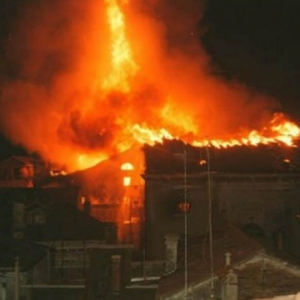
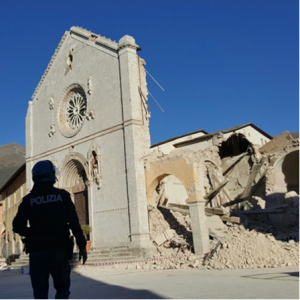
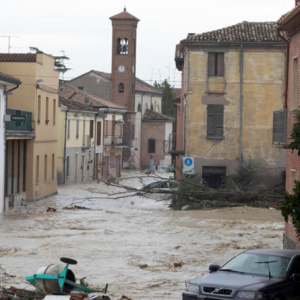
The repository currently includes MTTMs related to four risk areas: fire, earthquake, flood, and urban heat islands (UHI), the latter closely linked to climate adaptation and energy efficiency.
For each methodology, information is provided regarding its technical characteristics, advantages and disadvantages, application contexts, and performance compared to the adopted evaluation criteria.
The repository is developed as a dynamic tool, intended to evolve over time through the inclusion of new methodologies, updating the knowledge base, and the revision of assessments, accompanying the development of research and design practice.
Framework Development and Future Perspectives
The framework was developed within the PNRR iNEST Project – Interconnected North-East Innovation Ecosystem, Spoke 4 – Heritage, Recovery, Conservation, Activity RT2.3, and is developed as an open methodological platform.
The framework is conceived as an open and modular methodological platform, designed to evolve through future research activities, additional case studies, and applications in different built environment contexts.
Evaluation criteria for methodologies, technologies, techniques and materials
MTTM performance is evaluated using criteria divided into three macro-categories:
- Applicability and impact on the building and site: effectiveness, applicability, reversibility, environmental sustainability, durability, impact on the building fabric;
- Implementation costs and construction logistics: economic/monetary cost, operational complexity of the construction site, market availability, execution times, maintenance costs, limitations of use, need for additional interventions;
- Sustainability of the production process: degree of innovation of the MTTM, sustainability of the MTTM production process
Access to the Methodologies, Technologies, Techniques, Materials (MTTM) repositories
Urban Heat Island (UHI) and energy efficiency (from iNEST-Spoke4-RT1.2) ->
Urban Heat Island (UHI) and energy efficiency (from MIC 2015 Guidelines) ->