


MTTM. Flood. 3. Construction and mechanical/electrical work
3.5. Rainwater collection in syphons
MTTM-FLO-3.5
Description
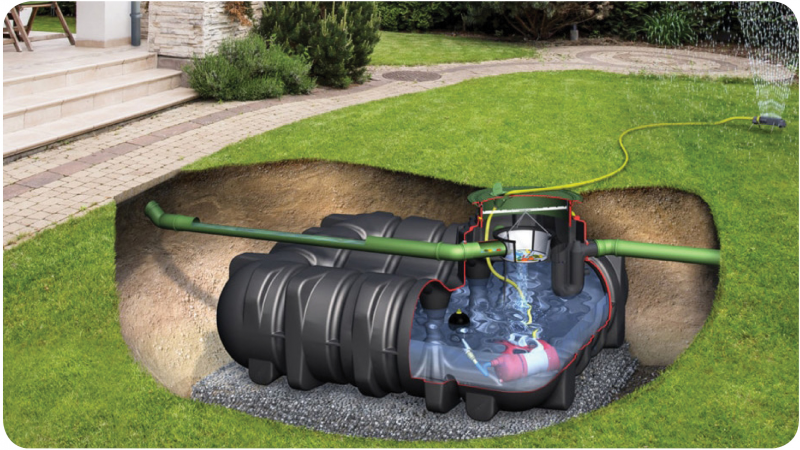
Siphon rainwater collection systems are an effective solution for reducing the risk of flooding in urban and suburban areas by capturing rainwater from impervious surfaces (such as roofs, roads, and parking lots) and channeling it in a controlled manner to drainage networks or underground storage systems. Siphons work by using water pressure to create a continuous, rapid flow, allowing large volumes of water to be collected and channeled quickly. This method is particularly useful in densely built-up areas, where space for natural drainage is limited and accumulated rainwater can quickly overload traditional drainage systems.
Siphons are typically installed in strategic locations, such as at the base of gutters or near paved surfaces, and are designed to activate automatically as the water level rises, activating a rapid, constant flow that minimizes the risk of surface stagnation. Thanks to their ability to rapidly transport water to safe destinations, siphon systems represent an adaptable and scalable stormwater management technology for both residential and large-scale infrastructure applications.
Advantages
Siphon systems allow rainwater to be quickly collected and directed to safe areas, preventing it from accumulating on surfaces. This feature is particularly advantageous in urban and industrial areas with a high percentage of impervious surfaces, where rainwater cannot easily infiltrate the soil.
During heavy rainfall, siphons act as safety valves, reducing the possibility of flash flooding in streets, squares, and other public areas, improving safety for vehicles and pedestrians. By rapidly directing rainwater to storage or disposal networks, siphons prevent conventional drainage systems from becoming overwhelmed. This is particularly useful during heavy rainfall events, when drainage systems can quickly become saturated.
By reducing the volume of water reaching sewers quickly, siphons help maintain the drainage capacity of existing infrastructure, preventing overloading that could lead to backflow and local flooding.
Disadvantages, critical issues, and the need for additional measures
The effectiveness of siphon systems also depends on the characteristics of the soil and the surrounding terrain. In areas with poor permeability or inadequate slopes, the collected water may not infiltrate adequately once released, limiting the benefits of the siphon system.
In such cases, it may be necessary to combine siphons with other solutions, such as infiltration basins or underground drainage, to ensure the collected water is effectively managed.
Assessment against the criteria
Applicability and impact
Efficacy
Applicability
Environmental sustainability
Reversibility
Formal and constructive impact
Quality of urban redevelopment
SDGs number
Durability
****
***
*****
*****
**
***
3
****
Cost and construction logistics
Monetary cost
Construction complexity
Availability (time)
Execution time
Maintenance costs
Regionality
Use restriction
***
***
****
***
****
***
***
Production process
Monetary cost
Construction complexity
Availability (time)
Execution time
Maintenance costs
Regionality
Use restriction
***
***
Relationship with the indicators of the Risk Analysis Model
Local hazard: Local hydrographic conditions.
Formal vulnerability: Building protection systems.
References
xxx