


MTTM. Flood. 3. Construction and mechanical/electrical work
3.3. Water pump upgrade
MTTM-FLO-3.3
Description
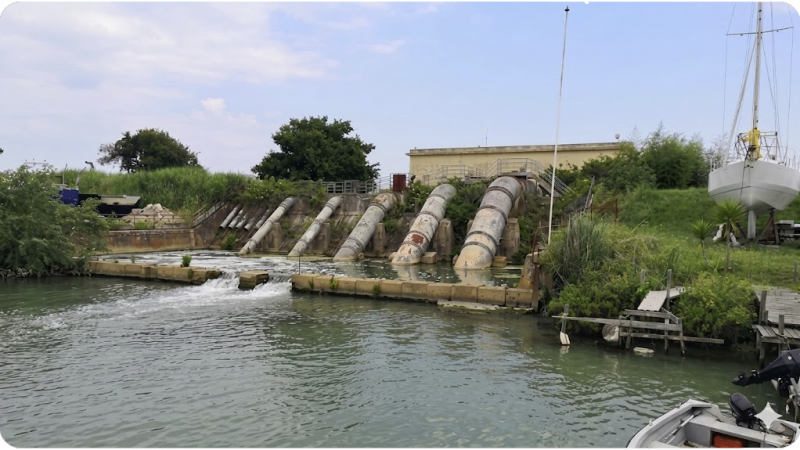
Upgrading pumping stations is a key strategy for improving water management during flood events, increasing the drainage capacity of at-risk areas and protecting property, infrastructure and agricultural land. Dredging pumps, or pumping stations, are used to remove large volumes of water from flood-prone areas, such as urban areas, coastal zones and river basins, where water accumulation can overwhelm existing drainage systems. Through upgrading, submersible pumps can increase their flow rate, speed and efficiency, handling ever-increasing volumes of water generated by extreme weather events or climate change leading to more intense and frequent rainfall.
Upgraded drainage pumps are fitted with more powerful pumps and advanced control systems, enabling them to adapt in real time to flood conditions and operate continuously without the risk of overheating. Upgrades may include replacing traditional pumps with energy-efficient models, equipped with more durable motors and control mechanisms to automatically adjust speed and pumping capacity as required. This helps prevent dangerous accumulations, such as deep puddles or prolonged waterlogging, and reduces the risk of urban or rural flooding that can threaten people’s safety and damage infrastructure.
Vantaggi
High-capacity water pumps can handle higher water flows than traditional systems, rapidly draining water that has accumulated during heavy rainfall. This capability is particularly useful in urban areas, where impermeable surfaces such as asphalt and concrete prevent water from seeping into the ground and increase the risk of flooding.
In the event of heavy rainfall or flash floods, the enhanced capacity of these pumps allows flooded areas to be drained more quickly, reducing the risk of extensive damage to property and public infrastructure.
During floods, drainage systems can quickly become overwhelmed, leading to inadequate water flow and the consequent flooding of roads, car parks, basements and other urban areas. Powered submersible pumps supplement and relieve the pressure on drainage systems by managing excess water volumes and preventing overloads. Thanks to their ability to switch on and off automatically, modern submersible pumps can work in synergy with drainage systems, activating only when the water level exceeds a certain limit, thereby avoiding excessive energy consumption.
In rural areas, enhanced submersible pumps are essential for protecting farmland from rainwater accumulation or river flooding, which can destroy crops and damage soil quality. With increased pumping capacity, these pumps prevent soil saturation and ensure that excess water is removed rapidly.
In urban and industrial settings, submersible pumps protect vital infrastructure such as roads, bridges, tunnels and railway lines, preventing standing water from compromising structural stability and increasing long-term maintenance costs.
High-capacity submersible pumps can be integrated with monitoring and alert systems that automatically activate the pumps in the event of a sudden rise in water levels.
Disadvantages, critical issues, and the need for additional measures
High-capacity water pumps require large amounts of energy, particularly when operating continuously during prolonged flooding events. This high energy consumption can contribute to environmental impact, increasing greenhouse gas emissions if the energy comes from non-renewable sources.
Alternatively, the use of energy-efficient pumps or integration with renewable sources, such as solar panels, can help reduce environmental impact.
The rapid drainage of water from flooded areas can alter surrounding aquatic ecosystems, particularly if the submersible pumps draw in water containing sediment or nutrients. This can lead to changes in water quality and surrounding habitats, negatively affecting flora and fauna.
To mitigate these effects, submersible pumps can be fitted with filters and purification technologies, which prevent debris and pollutants from entering nearby watercourses.
Assessment against the criteria
Applicability and impact
Efficacy
Applicability
Environmental sustainability
Reversibility
Formal and constructive impact
Quality of urban redevelopment
SDGs number
Durability
****
***
**
***
***
**
2
****
Cost and construction logistics
Monetary cost
Construction complexity
Availability (time)
Execution time
Maintenance costs
Regionality
Use restriction
**
**
***
**
***
***
***
Production process
Degree of innovation
Sustainability
**
**
Relationship with the indicators of the Risk Analysis Model
Local hazard: Local hydrographic conditions; Risk contrast, natural / artificial elements.
Riferimenti
xxx