


MTTM. Flood. 3. Construction and mechanical/electrical work
3.4. Pump control unit elevation.
MTTM-FLO-3.4
Description
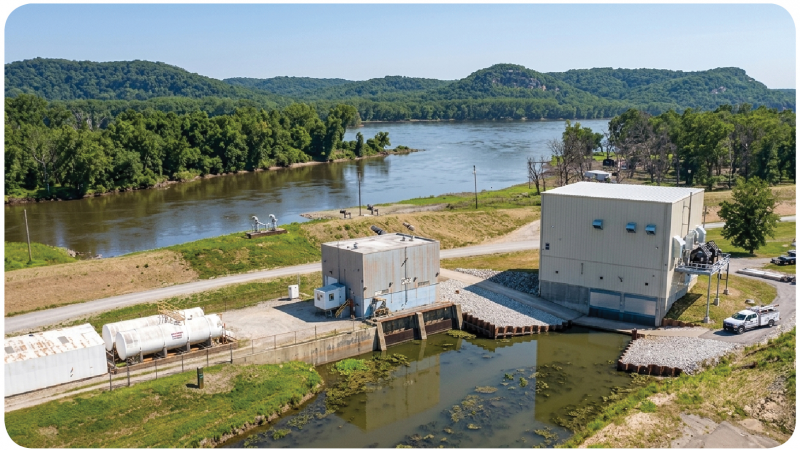
Raising the pump control unit is a flood mitigation method that involves elevating electrical equipment and pump control systems to a higher level to protect them from flooding. This approach is often used in flood-prone areas to ensure the continuous operation of pumps during and after flood events. During a flood, it is crucial that pumping systems remain operational to evacuate water and minimise damage. Raising the control equipment ensures this continuity. The control units are mounted on robust lifting structures, such as concrete or steel platforms, which raise them above the maximum flood level. In some cases, the equipment is housed in additional protective enclosures, which provide a barrier against water and other harmful elements. Modular lifting systems allow the height to be adjusted according to flood forecasts and the specific requirements of the site.
Advantages
Raising the control units reduces the risk of water entering the pumps’ electrical and mechanical systems, preventing damage and ensuring they remain operational. It also protects expensive equipment from damage, reducing post-flood repair and replacement costs. Furthermore, it ensures the uninterrupted operation of pumping stations during flood events, which is essential for effective water management and flood prevention, minimising the risk of pump failure during floods and providing more efficient stormwater management.
Disadvantages, critical issues, and the need for additional measures
Raising control units may detract from the aesthetic appeal of the urban or rural landscape, which could be a drawback in areas of visual or tourist interest. Additional costs may be required to modify existing infrastructure and ensure compatibility with the proposed new elevation levels, in addition to the costs of raising the units themselves.
Assessment against the criteria
Applicability and impact
Efficacy
Applicability
Environmental sustainability
Reversibility
Formal and constructive impact
Quality of urban redevelopment
SDGs number
Durability
****
****
***
***
**
**
2
***
Cost and construction logistics
Monetary cost
Construction complexity
Availability (time)
Execution time
Maintenance costs
Regionality
Use restriction
**
**
***
**
**
****
***
Production process
Degree of innovation
Sustainability
**
**
Relationship with the indicators of the Risk Analysis Model
Local hazard: Local hydrographic conditions; Risk contrast, natural / artificial elements.
Formal vulnerability: Building protection systems.
References
xxx