From Research to Shared Commitment: Signing of thePact for Ecological Restoration Actions in the Venice Lagoon
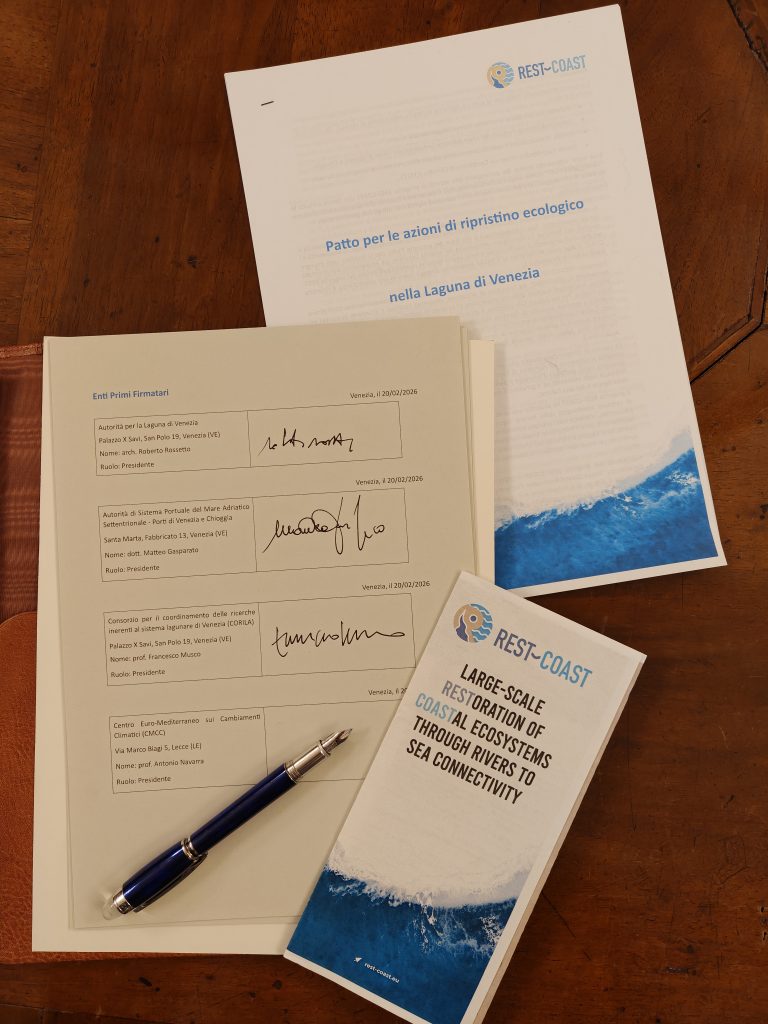
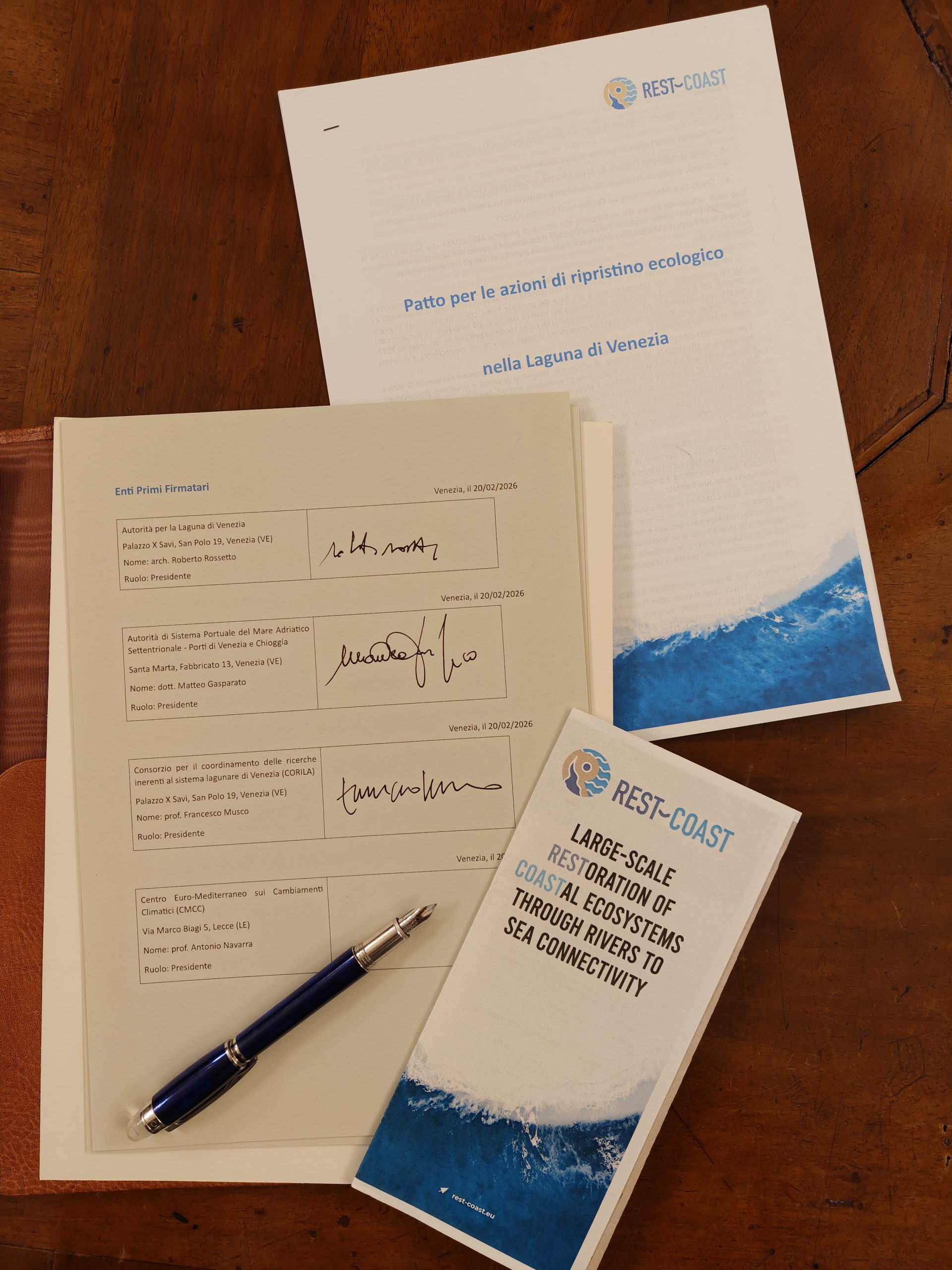
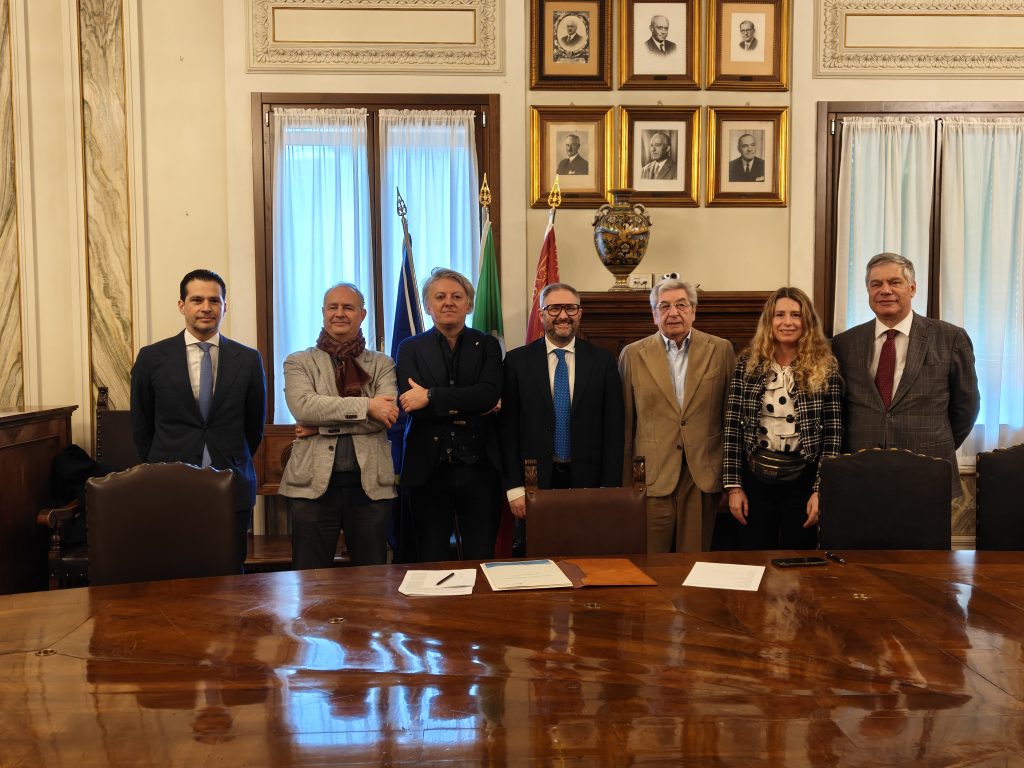
Venice, February 20, 2026. The Pact for Ecological Restoration Actions in the Venice Lagoon was signed today at the headquarters of the Venice Lagoon Authority, Palazzo X Savi. This document of shared commitment aims to strengthen collaboration between institutions, the scientific community, civil society organizations, and citizens to strengthen the resilience of lagoon ecosystems.
The First Signatories of the Pact are:
- Lagoon Authority (President: Roberto Rossetto)
- Northern Adriatic Sea Port System Authority – Ports of Venice and Chioggia (President: Matteo Gasparato)
- CORILA – Consortium for the Coordination of Research on the Venice Lagoon System (President: Francesco Musco)
- CMCC – Euro-Mediterranean Center on Climate Change (President: Antonio Navarra)
–
–
The initiative was born within the framework of the European project REST-COAST – Large-scale RESToration of COASTal ecosystems through rivers-to-sea connectivity (Horizon 2020 – Green Deal) and represents one of its main results in terms of proposing governance tools. The Pact is, in fact, conceived as a guiding tool to support ecological restoration policies and practices in the medium to long term, consistent with the European Green Deal and with strategies for biodiversity and climate change adaptation.
The document supports a transition in lagoon governance, promoting a model based on stable institutional cooperation, integration of technical and scientific expertise and decision-making responsibilities, and continuous monitoring of interventions and their effects on biodiversity and ecosystem services. In this process, representatives of civil society organizations are brought together in a permanent discussion group dedicated to lagoon restoration (in the language of the “CORE-PLAT” project) and contribute to defining priorities, sharing knowledge, and evaluating the outcomes of the actions undertaken, strengthening the participatory dimension and the legitimacy of decisions.
The Pact also aims to promote the integration of good ecological restoration practices, developed and validated within the REST-COAST project, into the planning and technical specifications of current and future interventions in the lagoon.
–
–
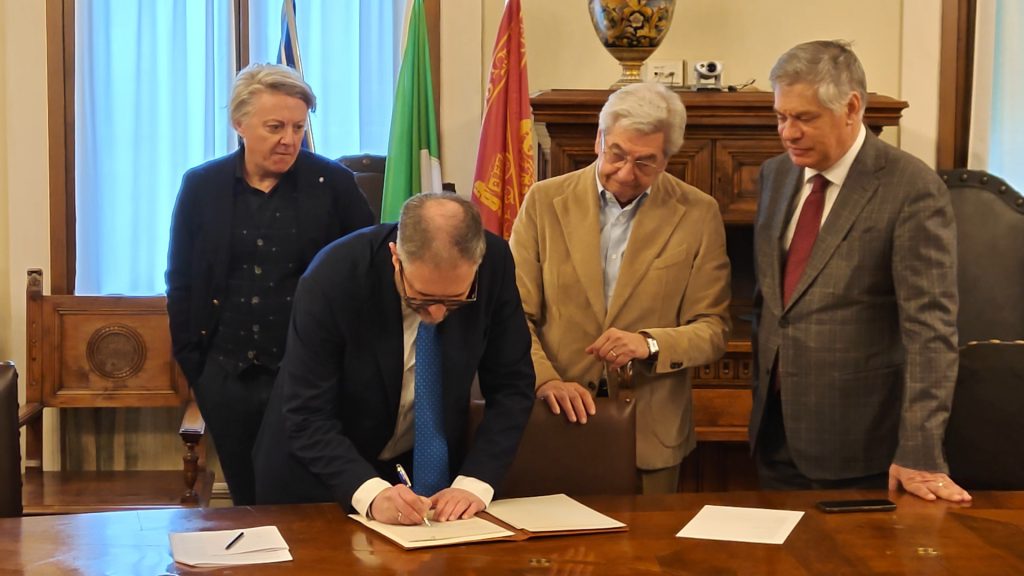
Matteo Gasparato, President of the Northern Adriatic Sea Port Authority, stated: “Venice is its port, and the port is Venice. This means that protecting the lagoon and developing its port system are not alternative objectives, but rather parts of a single institutional responsibility. The lagoon is an entirely human-made environment, shaped over a thousand years of interventions to protect the city and facilitate navigation: our task today is to continue this history with technological, scientific, and environmental tools suited to the 21st century. The interventions currently promoted by the Port Authority, aimed at increasing nautical accessibility while protecting the ecosystem, should be viewed in this perspective. The maintenance excavation projects currently undergoing environmental impact assessment, developed as part of the Channeling project and in compliance with the provisions of the pact, provide a genuine contribution to the reconstruction and rebalancing of the lagoon’s morphology. The management of hydrodynamic flows, the correct placement of sediments, the creation of morphological structures, together with the definition of sections compatible with the system’s needs, contribute significantly to the overall success of the lagoon. port, significantly reduce erosion and restore a more coherent structure between navigable channels and salt marshes, following an active maintenance approach“.
–
–
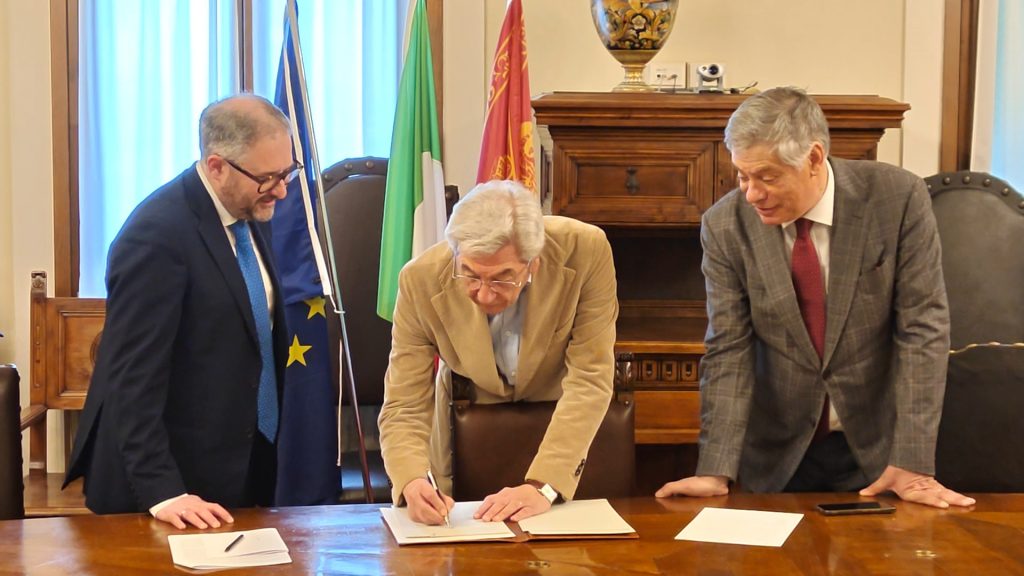
Roberto Rossetto, President of the Venice Lagoon Authority – New Water Authority, stated: “Current climate change and the constant occurrence of extreme events are increasingly affecting life on our planet. With the Intervention Program drawn up by the then Water Authority downstream of the Acqua Granda in 1966, the implementation of the Safeguarding works for Venice and its Lagoon began. Following a long and demanding approval process, the MOSE System was created. Since 2020, MOSE has been activated 151 times, and we are now in the sixth Safeguarding season. Thanks to the completion of this complex of works, Venice, the most beautiful and fragile city in the world, is also the most protected. However, the challenges we face are far more complex and multifaceted. The erosion of the lagoon’s morphological structures and seabed favors the colonization of alien species, such as the blue crab and the small sea nut, which threaten the lagoon ecosystem and with it the survival of the planet. of native species, with the increasingly concrete risk of biodiversity loss. As part of the REST-COAST Project – Large-scale RESToration of COASTal ecosystems through rivers-to-sea connectivity (Horizon 2020 – Green Deal), the problems were scientifically addressed and guidelines were drawn up for the integration of good ecological restoration practices in the lagoon area. It is necessary to work together to implement a specific ecological strategy for the Venice Lagoon. The document being signed promotes institutional cooperation that integrates scientific and institutional expertise, creating a virtuous model to be preserved and implemented over time. The governance of the lagoon is changing today thanks to the establishment of the Venice Lagoon Authority – New Water Authority, with a Management Committee, which includes the four competent ministries, the Veneto Region, the Metropolitan City and the Municipality of Venice, for the sharing of objectives and strategies, as well as a Technical Committee for the approval of interventions. The Authority also has a dedicated high-profile Scientific Committee to In order to guide decisions in an appropriate, modern, and scientifically supported manner. In collaboration with the Northern Adriatic Sea Port System Authority and other local public administrations, and with the support of research institutes, the Lagoon Authority will work to develop and propose solutions capable of safeguarding Venice, the lagoon’s typical activities, and the very lives of the lagoon’s people”.
–
–
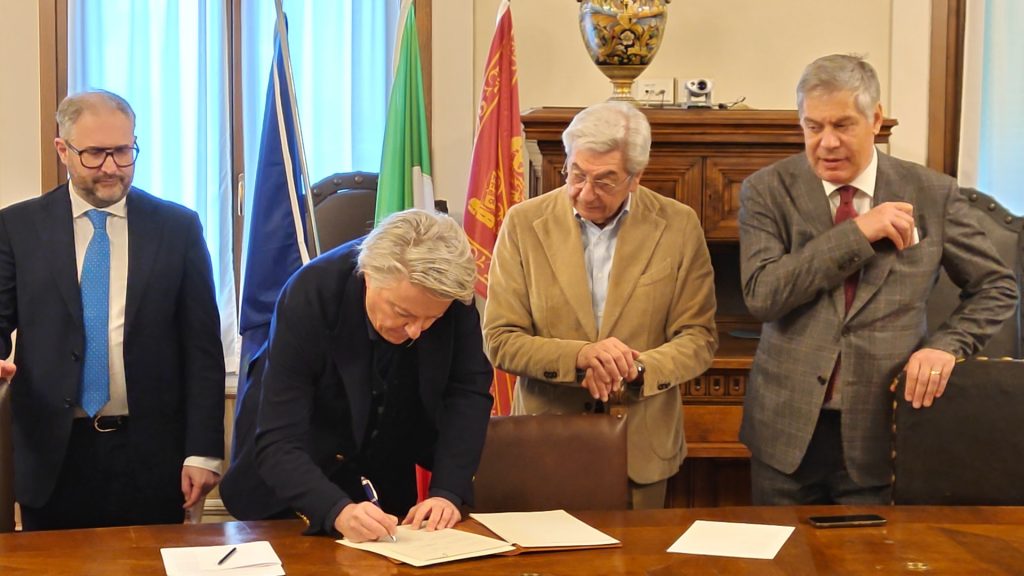
Francesco Musco, President of CORILA – Consortium for the Coordination of Research on the Venice Lagoon System, stated: “The signing of the Pact marks an important step in building a truly integrated governance of the lagoon system. Venice and its lagoon constitute a complex ecosystem, in which environmental, infrastructural, economic, and social components interact continuously: their management requires a permanent presence of scientific knowledge to effectively support public decisions.
CORILA was established, under the supervision of the Ministry of University and Research, for this very purpose: to coordinate scientific research on the lagoon system, make it operational, and place it at the service of institutions. Through the collaboration between its members—Iuav University of Venice, Ca’ Foscari University of Venice, the National Research Council (CNR), and OGS—CORILA integrates multidisciplinary expertise in analysis, territorial planning and design, environmental economics, physical and ecosystem processes, oceanography, and advanced modeling. This integration allows data, monitoring, and forecasting scenarios to be translated into concrete assessment tools and support for policies.
In a historical period characterized by climate change, rising sea levels, and the morphological evolution of the lagoon, lagoon management decisions, made based on the best available knowledge, must be continuously verified and—where necessary—adjusted over time. Investing in scientific research, which maintains state-of-the-art knowledge, is a necessary condition for guiding effective and sustainable interventions over the long term, fueling a genuine public decision-making support system. We are grateful to the Lagoon Authority for sharing the entire REST-COAST project journey with us as a partner, and to the Port System Authority for their active collaboration. The Pact seals this journey positively and strengthens this perspective: institutions and the scientific community share responsibilities and objectives, supporting the construction of an adaptive governance model based on knowledge, continuous monitoring, and evaluation of the effects of actions undertaken, engaging in structured and effective dialogue with citizens. CORILA will continue to operate as a platform for coordination between research and public administrations, also building tools for dialogue with all stakeholders, so that the protection of the Venice Lagoon can be achieved. Together, we must ensure ecological resilience, territorial security, and inclusive and sustainable development prospects”.
Antonio Navarra, President of the CMCC Foundation – Euro-Mediterranean Center on Climate Change, stated: “Climate sciences today play a crucial role in supporting effective institutional dialogue, capable of engaging policymakers, local communities, and stakeholders in developing effective solutions for the future of the Venice lagoon. The signing of the Pact for Ecological Restoration Actions is a significant moment for the CMCC because it demonstrates that a leading scientific institution like ours is not only committed to providing the most advanced scientific knowledge for decision-making, but is also actively working to ensure that this knowledge finds its best application in the specific social, economic, and environmental context. Indeed, the integration of scientific knowledge, best coastal restoration practices, and innovative planning tools enables interventions tailored to the needs of the local area and consistent with the challenges posed by climate change. The climate and environmental risk analysis models employed in the REST-COAST project, along with the strengthening of in-situ monitoring and the use of artificial intelligence, are the result of the application of the most innovative technologies in this field of research. They provide highly detailed data on the lagoon ecosystem to facilitate risk assessment and the evaluation of possible adaptation interventions. Alongside these tools, co-design processes allow for the alignment of scientific results with the priorities expressed by all stakeholders, thus improving the effectiveness of decision-making processes. REST-COAST’s experience, through the stable integration of the expertise of multidisciplinary scientific research, institutions, and all stakeholders, highlights the benefits of innovative solutions that can guarantee the Venice lagoon a safer, more sustainable, and resilient future to ongoing changes”.
–